

The Rain Bought Montana Time, But Fire Season Is Back
Montana Wildfire Concerns Return After July Heat
For a little while there, it looked like Montana might have dodged the bullet when it came to the wildfire concerns hanging over the state.
Thanks to a round of heavy rain in late June, some of those worries surrounding fire season started to fade. Then the July heat arrived.
READ MORE:
Hot Weather and Dry Conditions Increase Montana Fire Risk
Temperatures have been climbing into the 90s across western Montana and pushing above 100 degrees in parts of the eastern half of the state. That late June moisture helped for a bit, but now the grass and brush that soaked up that rain are starting to dry out and could become wildfire fuel.
Fire officials say one of Montana's biggest concerns is that wildfire seasons are becoming harder to predict. A warmer winter with less snow, combined with intense summer heat, is changing the way fire season looks across the Big Sky.
Even though that rain was a huge help earlier this summer, it also came with a downside. While it encourages new grass growth, once that vegetation dries out, it can become quick-burning fuel.
And while Montana has been enjoying the break, other parts of the West haven't been quite as lucky.
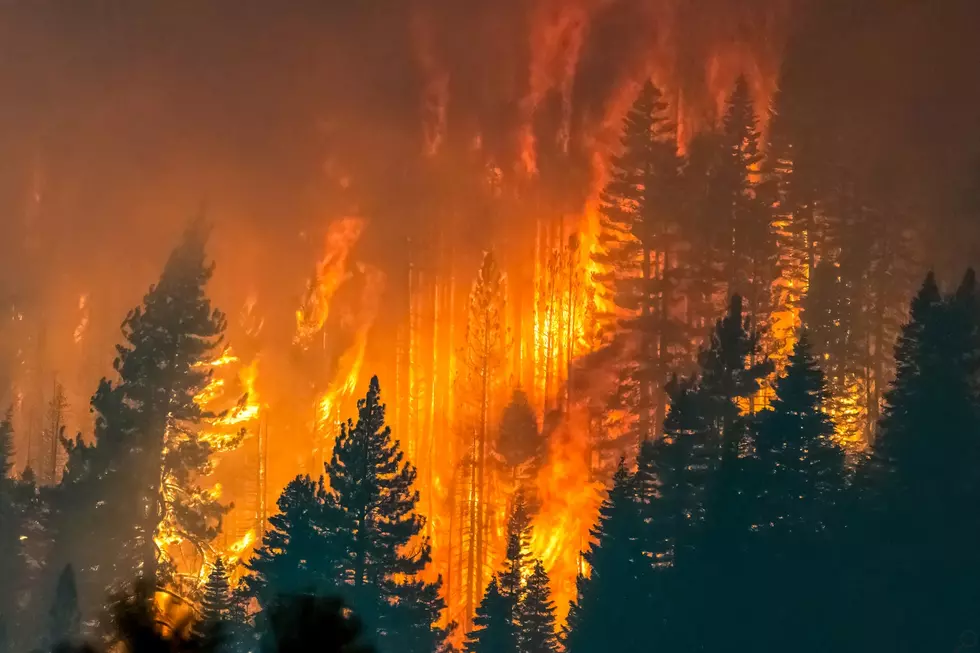
Wildfires Continue To Burn Thousands Of Acres Across Utah
Utah has already seen several large wildfires this summer, including fires that have burned tens of thousands of acres and forced evacuations in some areas. Other states across the West, along with Canada, have also been battling major fires as hot and dry conditions continue.
For now, the Treasure State may not be seeing the same fire activity as some of our neighboring states, but experts remind us that conditions can change quickly.
That June rain may have bought us some time, but after weeks of heat, fire season is far from over. In fact, for many parts of Montana, the most challenging part of fire season may still be ahead.
LOOK: Ways To Improve Indoor Air Quality During Wildfire Smoke
Gallery Credit: Lauren Wells
KEEP SCROLLING: Yellowstone Wildfire of 1988
KEEP READING: 8 Easy Ways To Help Prevent Wildfires in Montana
Gallery Credit: Jesse James


