When Stephen Stills Helped the Bee Gees Craft a Disco Classic
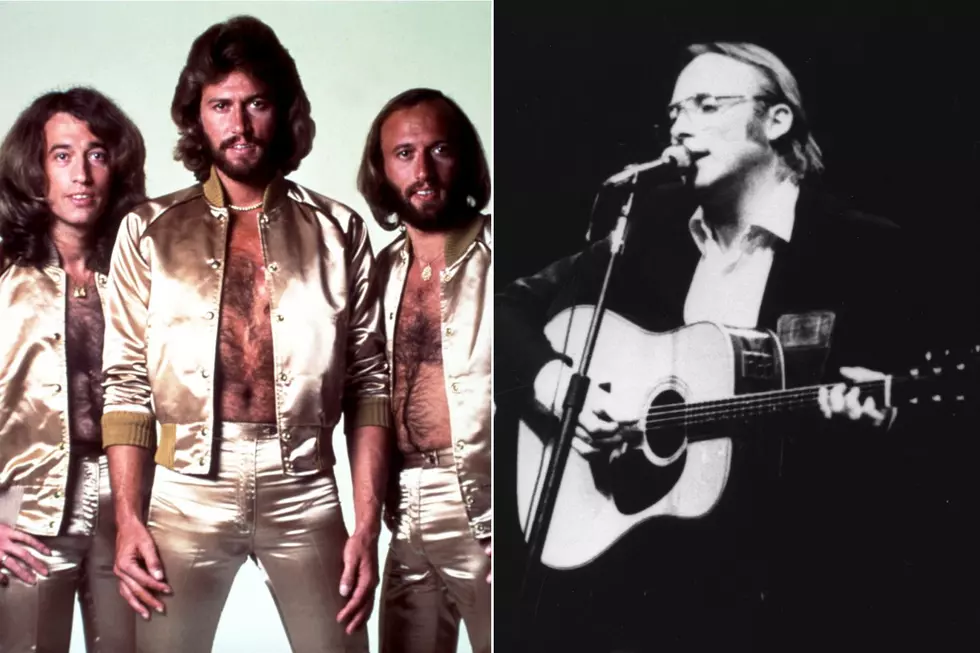
On Sept. 4, 1976 the Bee Gees reached No. 1 on the Billboard Hot 100 with their classic disco hit “You Should Be Dancing.” The song’s success was helped by an unlikely source: folk rocker Stephen Stills.
The Bee Gees were already international superstars thanks to early soft rock hits like “How Can You Mend a Broken Heart.” In 1975, they made a stylistic change, embracing the burgeoning sound of disco with their single “Jive Talkin’”.
“You Should Be Dancing” saw the group expand that sound even further, including one very notable characteristic – the song marked the first major single in which Barry Gibb sang in full falsetto, a style which would become one of the most identifiable aspects of Bee Gees material.
READ MORE: When Bee Gees Shifted to Disco With 'Jive Talkin''
As noted by Bee Gees historian Joseph Brennan, by this point in his career, “Barry had developed his falsetto to an incredible degree.” The singer’s high pitch was “loud and clear, a very expressive instrument that he began to prefer to his natural voice.”
“You Should Be Dancing” was recorded at Miami’s Criteria studios in early 1976. Coincidentally, another iconic musician happened to be working down the hall.
How Did Stephen Stills End Up on Bee Gee's 'You Should Be Dancing'?
As luck would have it, Stills was also at Criteria, working on material with Neil Young and his fellow CSN musicians.
"We were in the studio next door making a CSN album and David (Crosby) was all full of himself and saying this is going to be the album of the year,” Stills recalled during a 2013 conversation with The Independent. “I went, ‘No it's not, that's being recorded across the hall,’ 'cause I'd heard some of that Saturday Night Fever stuff and I knew it was totally unique and going to be a monster. So I played timbales and for a long time that was my only platinum single."
READ MORE: Top 10 Stephen Stills Songs
Stills’ percussion added an extra layer to “You Should Be Dancing,” providing further rhythmic propulsion to the track. Combined with the tune’s engrossed bass line, soaring horns and captivating vocals, all of the elements were in place for a dance hit. The single was released on June 22, 1976 and reached No. 1 on Sept. 4.
One year later, the legacy of “You Should Be Dancing” was further solidified when it was
featured prominently in the film and soundtrack to Saturday Night Fever. It remains one of the Bee Gees most celebrated hits, and pioneering release from the disco era.
Listen to the Bee Gees' 'You Should Be Dancing'
Bee Gees Albums Ranked
Gallery Credit: Michael Gallucci